

Hostel Celica – A Place Where Heritage Inspires Sustainable Travel
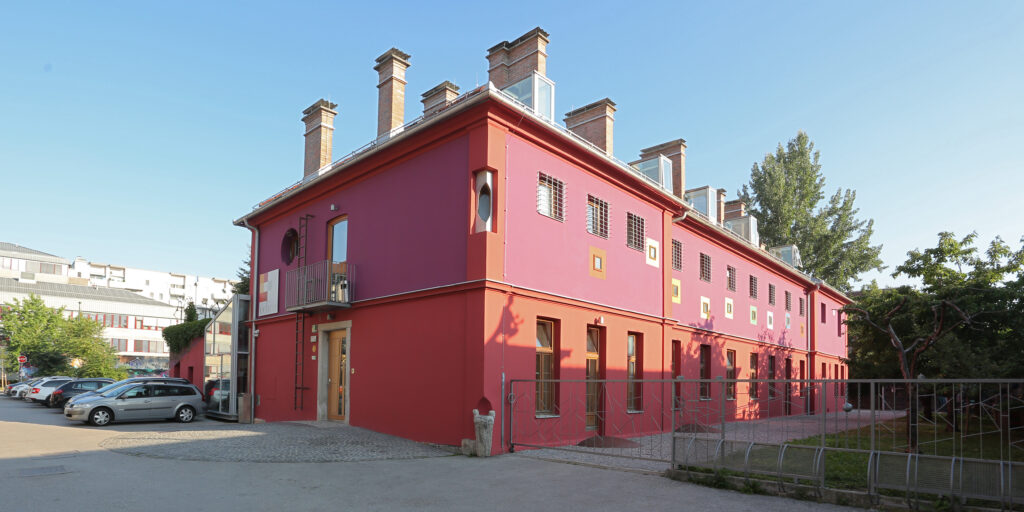
Hostel Celica is internationally recognised as an inspiring example of how cultural heritage, creativity and sustainability can come together to create a unique visitor experience. Originally built as a military prison in 1883, it was transformed after Slovenia’s independence into a vibrant hostel and cultural centre through the vision and collaboration of artists, the local community and the City of Ljubljana. Today, each former prison cell has been redesigned by a different artist, making Hostel Celica one of the world’s most unique hostels.
As a holder of the internationally recognised Green Key eco-label, Hostel Celica demonstrates that sustainable tourism is not only about protecting the environment, but also about creating positive social and cultural impact through responsible management and a strong connection with the local community. In this edition of In the Spotlight, we spoke with Linda Hribar from Hostel Celica about sustainable tourism, young travellers and how small everyday choices can make a meaningful difference.
- What does sustainable tourism mean to you, and how is it reflected in the everyday life of Hostel Celica?
As a unique cultural hostel, we believe that responsible travel should benefit both our guests and the community, helping preserve what makes the hostel unique. We believe that every small action matters, and that sustainability should be part of everyday operations rather than just a long-term goal. We strive to make a positive contribution through simple yet effective actions. This includes waste separation, using public transport for commuting, minimizing food waste, promoting a bike-friendly environment, reducing single-use plastics, and promoting local food and drinks. We focus on implementing the same sustainable practices that we would follow at home, ensuring they are manageable and hassle-free.
- Young people are one of your main visitor groups. How do you encourage them to make more sustainable choices while staying in Ljubljana?
We see every stay as an opportunity to promote responsible travel. With visible signs, we encourage them to adopt the same sustainable habits that are part of everyday life in Slovenia, such as separating waste, using tap water instead of bottled water, conserving water and energy, respecting nature, and choosing to explore the city on foot or by bicycle. By leading through example and sharing these simple practices, we hope our guests will continue making sustainable choices long after they leave Hostel Celica.
- Hostel Celica has been awarded the Green Key eco-label. How does this help you inspire young travellers to make more sustainable choices during their stay? Have you noticed any changes in recent years?
The Green Key eco-label gives credibility to our sustainability efforts and shows guests that our commitment extends beyond words and is actively reflected in their behavior as well. In recent years, we have noticed that, especially younger travellers are becoming more environmentally aware and increasingly appreciate accommodation that shares their values.
- What is one piece of advice you would give to young people who want to travel more sustainably this summer?
My advice would be to remember that sustainable travel is about small, conscious choices rather than being big and perfect. Choose local businesses, explore destinations on foot, by bike, or by public transport, carry a reusable water bottle, and respect the local environment and community. Even simple actions can make a real difference when many people choose to travel responsibly.
- What would you like visitors to remember most about Hostel Celica after they return home?
We would like visitors to remember Hostel Celica not only as a place to stay, but as a unique experience where they connected with people, culture and history, all in one place. We hope they take home memories of our creative atmosphere and the idea that travelling can be enjoyable while still being respectful towards the environment and local community.