
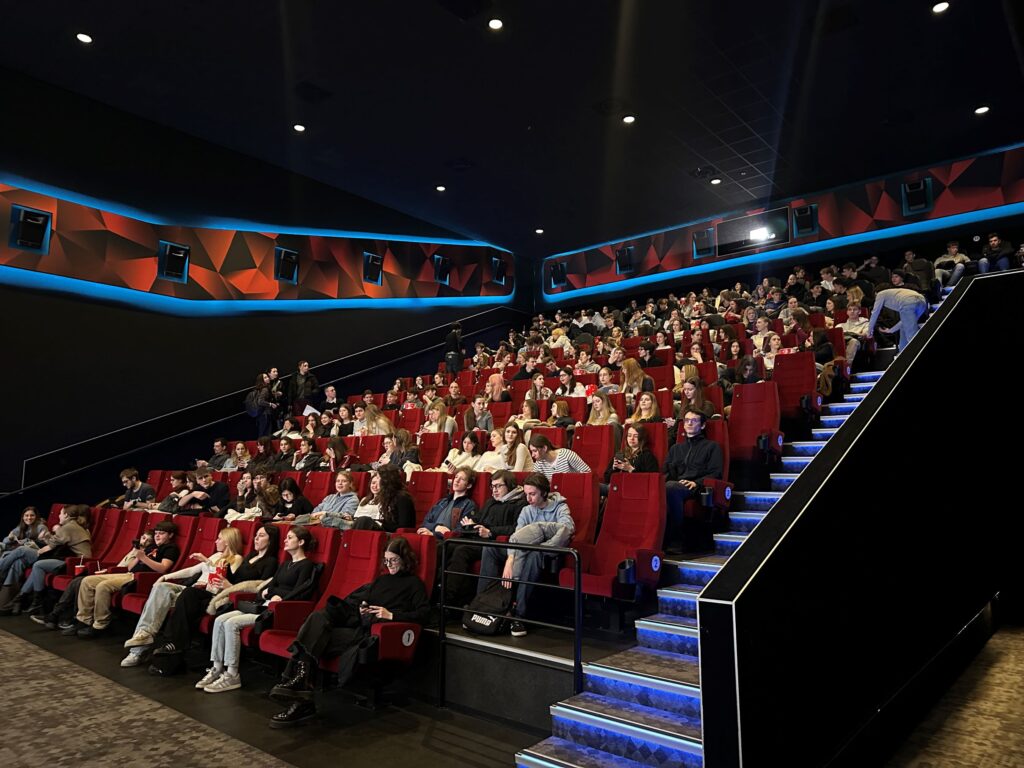
Ljubljana, 13 February 2026 – How can art and film inspire climate responsibility? How do our everyday actions shape the future of our planet? These were the central questions explored during the 2nd edition of the Green Growth Awareness Days in Slovenia, which brought together 130 young participants in Ljubljana.
The event combined discussions on sustainable development with a creative industry perspective, stimulated by the screening of the film Sodoma. The film served as a starting point for reflection and dialogue, encouraging young people to critically examine the relationship between society and nature. Through cinema, presentations and discussion, participants reflected on global environmental challenges and considered how individual and collective decisions influence the world we live in.
The event brought together the Eco-Schools programme (DOVES – FEE Slovenia), Center Rog and Institute Epeka – Youth Cinema. Center Rog, Ljubljana’s creative hub for innovation, craftsmanship and circular practices, provides young people with opportunities to develop practical skills, explore production laboratories (wood, textiles, metal, digital fabrication) and engage in repair culture. Center Rog had previously been visited during the Participation Days in Slovenia, creating a meaningful connection between the circular economy themes addressed there and the broader sustainability discussions of this awareness event.
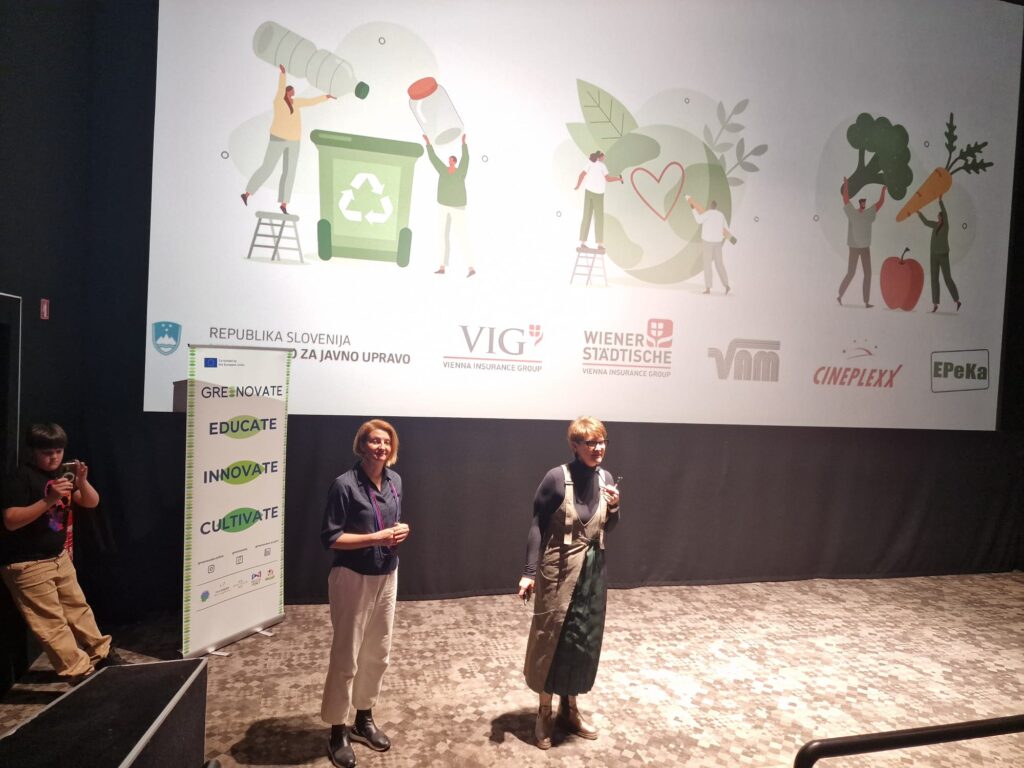
By connecting the priorities of the European Green Deal with youth engagement and the creative industry, the event highlighted that sustainability is not only a policy framework, but also a mindset and a call to action. Young people were encouraged to see themselves as active contributors to change.
This Green Growth Awareness Day once again demonstrated the Greenovate 2.0 approach: linking European strategies with local action across diverse topics, connecting policy with creativity, and empowering youth to critically reflect and actively shape a more sustainable future.
The project Engaging Youth in a Digital Green Future 2.0 is implemented within the Erasmus+ programme and co-financed by the European Union.